You can drive Bucks County for years and get used to a certain rhythm. Stone farmhouse. Colonial. Rancher. Split level. Barn conversion if you’re lucky. Then every once in a while, something pops up that makes you do the full neck-turn at the red light.
That’s exactly why this one caught my eye. BUCKSCO.Today reported that a Newtown home constructed by famed architect Paul Rudolph is expected to hit the market for $5.85 million. Yes, the price is eye-popping. But honestly, the bigger story is that a house tied to one of the best-known names in American modern architecture is sitting right here in our backyard. In Bucks. Not Palm Springs. Not New Canaan. Bucks County.
So why is everybody talking about this house?
Because this is not just another expensive listing with a fancy kitchen and a pool the size of Core Creek after a storm.
A Paul Rudolph connection changes the conversation. Homes like this live in two worlds at once. They’re real estate, sure, but they’re also part design history, part preservation headache, part bragging rights. When a property like that hits the market, buyers are not only looking at square footage. They’re looking at whether the house still carries the architect’s thinking, whether it has been altered beyond recognition, and whether they’re prepared to be a steward instead of just an owner.
And timing matters. This is happening while Bucks County housing has already been running hot. Another local market roundup says sale prices have been climbing this spring. So now take a strong market, drop in a rare architect-designed home, and yeah, people are going to talk.
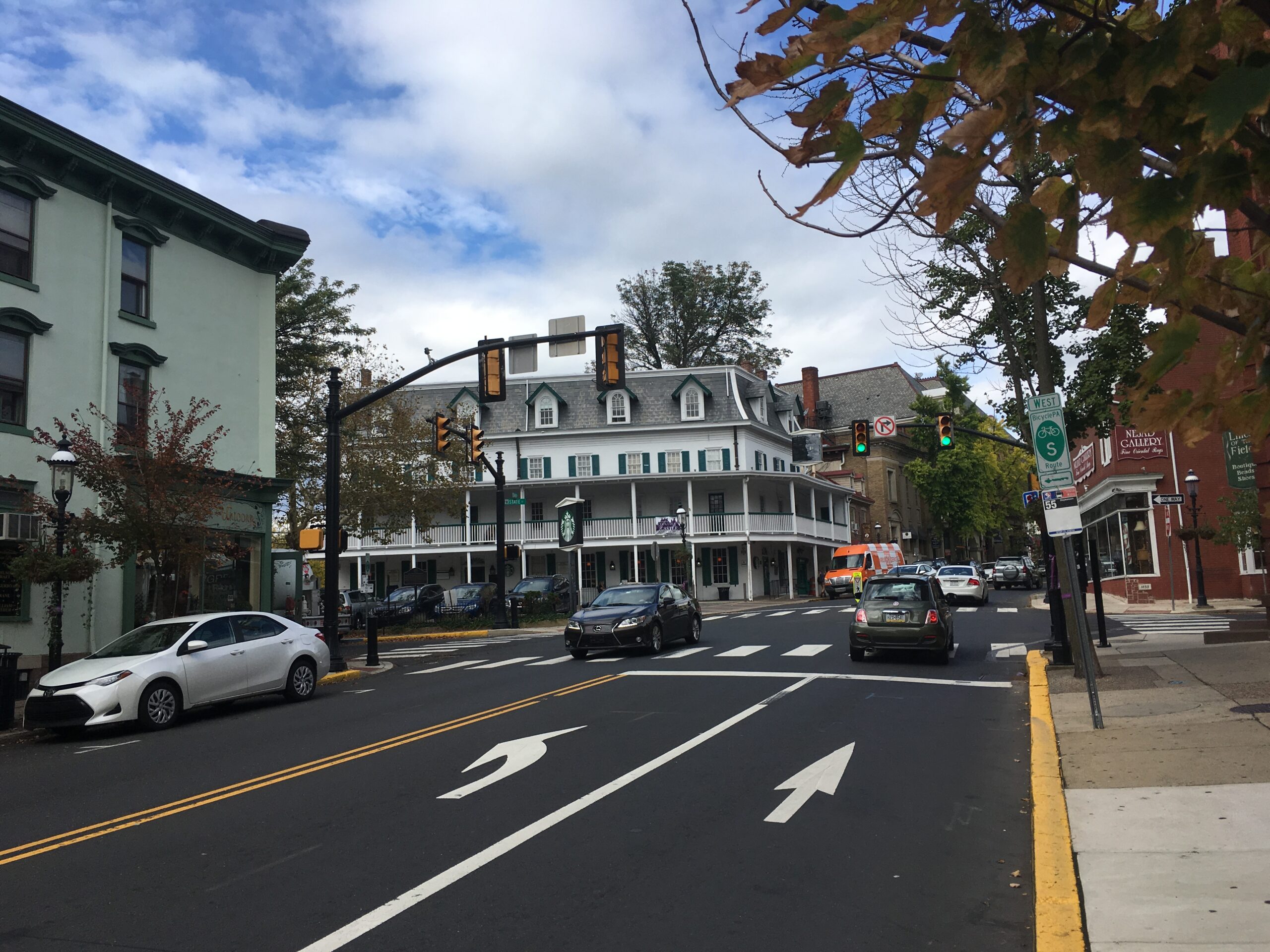
Also, Newtown is the kind of place where old-money charm and serious house-shopping energy already mix well. It has easy access to Philly, Princeton, and I-295, plus the sort of established setting that makes premium properties feel at home. That part is no accident.
Paul Rudolph was not just any architect
If the name rings a bell but you can’t quite place it, here’s the quick version. Paul Rudolph was one of the most influential American architects of the postwar era. The Paul Rudolph Institute for Modern Architecture traces his work from the Florida modernism he helped shape to the bigger, more muscular buildings he became known for later on. He also led the Yale School of Architecture, which tells you plenty about the respect he commanded in the field.
What made Rudolph stand out was how hard he pushed against boring. He liked layered spaces, dramatic geometry, strong light, and houses that asked you to experience them instead of just walking through them. Some people adore that. Some people walk into a modernist home and immediately wonder where to put the giant sectional from Raymour. Fair enough. But Rudolph was never trying to make forgettable houses.
That’s why this Newtown listing matters even beyond the buyer who eventually grabs it. A Rudolph home in Bucks County adds to the local story we tell ourselves about what this place is. We love our history here, but we usually mean 18th-century taverns, covered bridges, and stone walls. This is a reminder that the county has 20th-century design stories too.
Why this feels unusual in Bucks
Let’s be honest about the local vibe. Bucks County does cozy, old, and textured REALLY well. That’s part of the magic. People move here for creekside villages, deep porches, old stone, and neighborhoods that look best in October. Even official town messaging leans into that sense of place. Just look at how Newtown Township presents itself, rooted in heritage but still very much active and growing.
So when a true modernist property appears, it feels like finding a jazz record in your grandpop’s collection of Irish ballads. It doesn’t belong in the obvious way, which is exactly why it becomes interesting.
There’s another layer here too. Modernist homes are often harder to preserve than older houses people instantly recognize as historic. Organizations like DOCOMOMO US have spent years arguing that postwar design deserves protection too. A stone colonial usually gets respect on sight. A sharp-edged modern house has to earn it again with every new owner. Windows get swapped. Interiors get chopped up. Original materials disappear. Sometimes all it takes is one bad renovation and the whole idea of the house is gone.
That’s why I think the next chapter of this place matters almost as much as the list price. Whoever buys it won’t just be buying a home. They’ll be deciding whether a piece of Bucks design history keeps its soul.
What This Means for Bucks County Residents
Most of us are not house hunting at $5.85 million. I sure am not. But this still matters locally for a few reasons.
First, it shows Bucks County keeps pulling in attention from people who care about more than cookie-cutter living. That helps the county’s reputation as a place with depth, not just good schools and a decent commute. Second, it reminds towns and planning boards that good design has value. Not fake-luxury value. Real value. The kind that gives a place character for decades. Third, it should make us a little more curious about the places we drive past every day. There are hidden houses, studios, old industrial buildings, and oddball structures all over this county that almost nobody talks about until a demolition notice goes up.
And maybe the biggest takeaway is this. We don’t have to choose between loving old Bucks and appreciating the newer layers of its story. Both can be true. The farmhouses matter. The midcentury gems matter too.
Don’t let the good ones disappear
I like stories like this because they wake people up a bit. They make you look harder. They make you wonder what else is tucked behind the tree lines in Upper Makefield, Solebury, Doylestown Township, or out past Wrightstown. And they remind us that architecture is not just for big-city museums or coffee-table books. Sometimes it’s sitting right off a Bucks County road, waiting for somebody to notice.
If you care about the weird, beautiful, underappreciated corners of this county, keep following along at Bucks County Blog. And if you know about another standout house, old diner, forgotten building, or local design story we should be paying attention to, contact us. Seriously. These are the kinds of places that vanish when nobody speaks up.
Sources
- BUCKSCO.Today: Newtown home constructed by architect Paul Rudolph to hit market for $5.85M
- Paul Rudolph Institute for Modern Architecture
- Yale School of Architecture
- Newtown Township
- BUCKSCO.Today: Bucks County housing market still hot with rising median sale prices
- DOCOMOMO US