A state Senate race in Lower Bucks has turned into a pretty direct argument about how many cameras the government should be allowed to mount over local roads.
According to a Bucks County Beacon race roundup, Republican Sen. Frank Farry is running against Democrat Eileen Hartnett Albillar in the 6th Senate District, and Farry’s support for Senate Bill 933 is now part of the campaign fight. Farry’s public position is easy to document. He is a co-sponsor of the bill. Albillar’s public position, as described by the Beacon, is that the measure raises privacy alarms and deserves scrutiny.
That puts a local face on a debate that has been building all over Pennsylvania and around the country. Police departments like automated license plate readers because they can flag a stolen car, a wanted vehicle or a car tied to a missing-person case in seconds. Privacy groups hate the same systems for the exact same reason. A fixed camera can also log where ordinary people drive, when they drove there and how often.
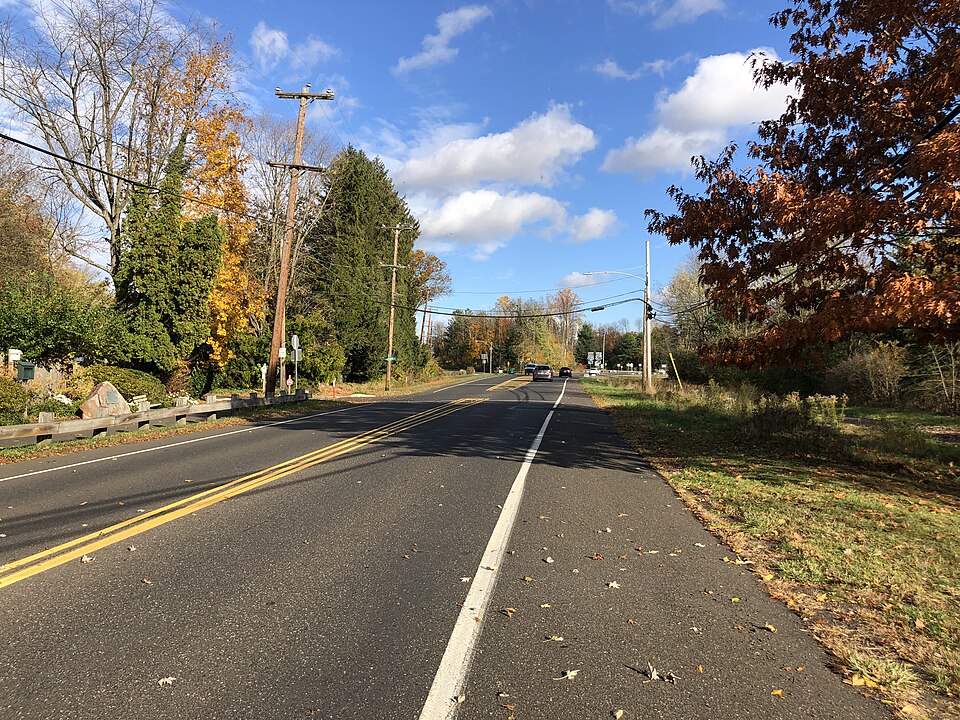
For Bucks County readers, this is not some abstract Harrisburg food fight. If SB 933 becomes law, the question is how much more camera coverage could end up on state roads, bridge approaches, town borders and PennDOT-controlled property across Lower Bucks.
Bucks County Senate race puts SB 933 on the table
The Beacon’s story did not just mention the bill in passing. It flagged the camera issue as one of the sharper contrasts in the Farry-Albillar contest. That makes sense. Farry already has a law-and-order profile in local politics, and backing wider use of plate readers fits that lane.
Albillar, according to the Beacon, is using the bill to press a civil-liberties argument in a district where voters are used to hearing about crime, car thefts and cross-county police pursuits. In other words, this is one of those campaign arguments where both sides think the politics are on their side.
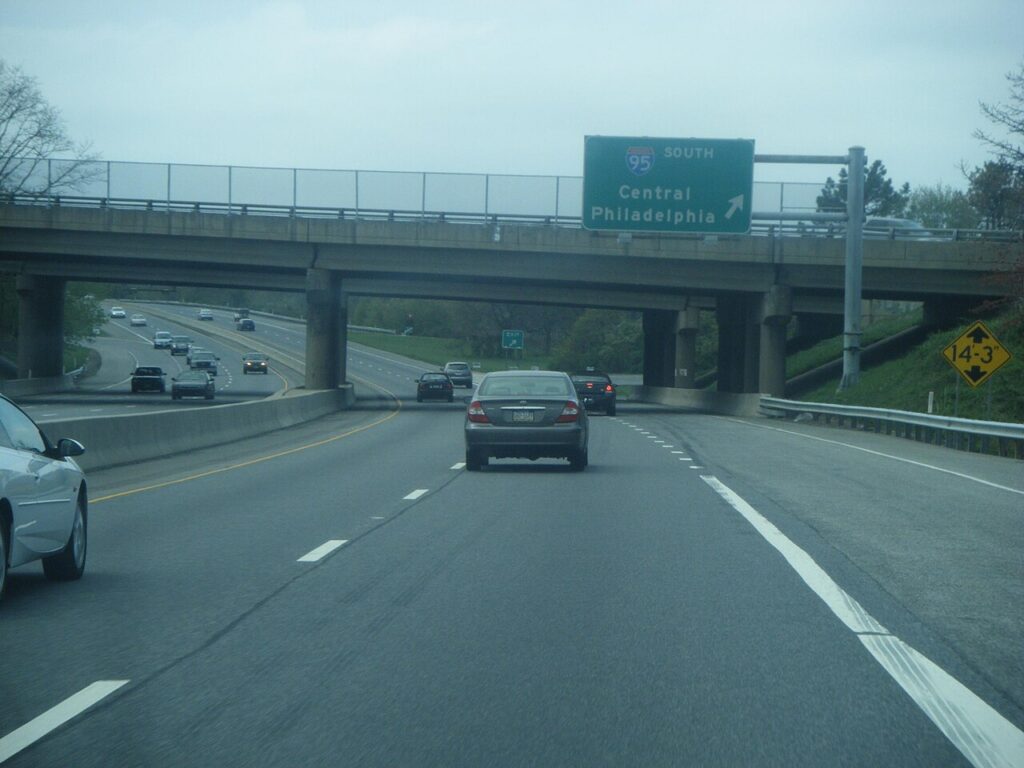
There is also a Bucks County angle beyond the race itself. Senate District 6 covers a chunk of the county where big roads carry a lot of traffic in and out every day. Any law that changes where fixed readers can be placed lands differently in a rural township than it does in a district with Route 1, I-95, the Turnpike and multiple river crossings nearby.
Senate Bill 933 would widen where cameras can go
According to the Pennsylvania General Assembly, Senate Bill 933 would expand the legal footing for automated license plate readers on roadways and on property owned or controlled by PennDOT. That is the part Bucks County drivers should pay attention to.
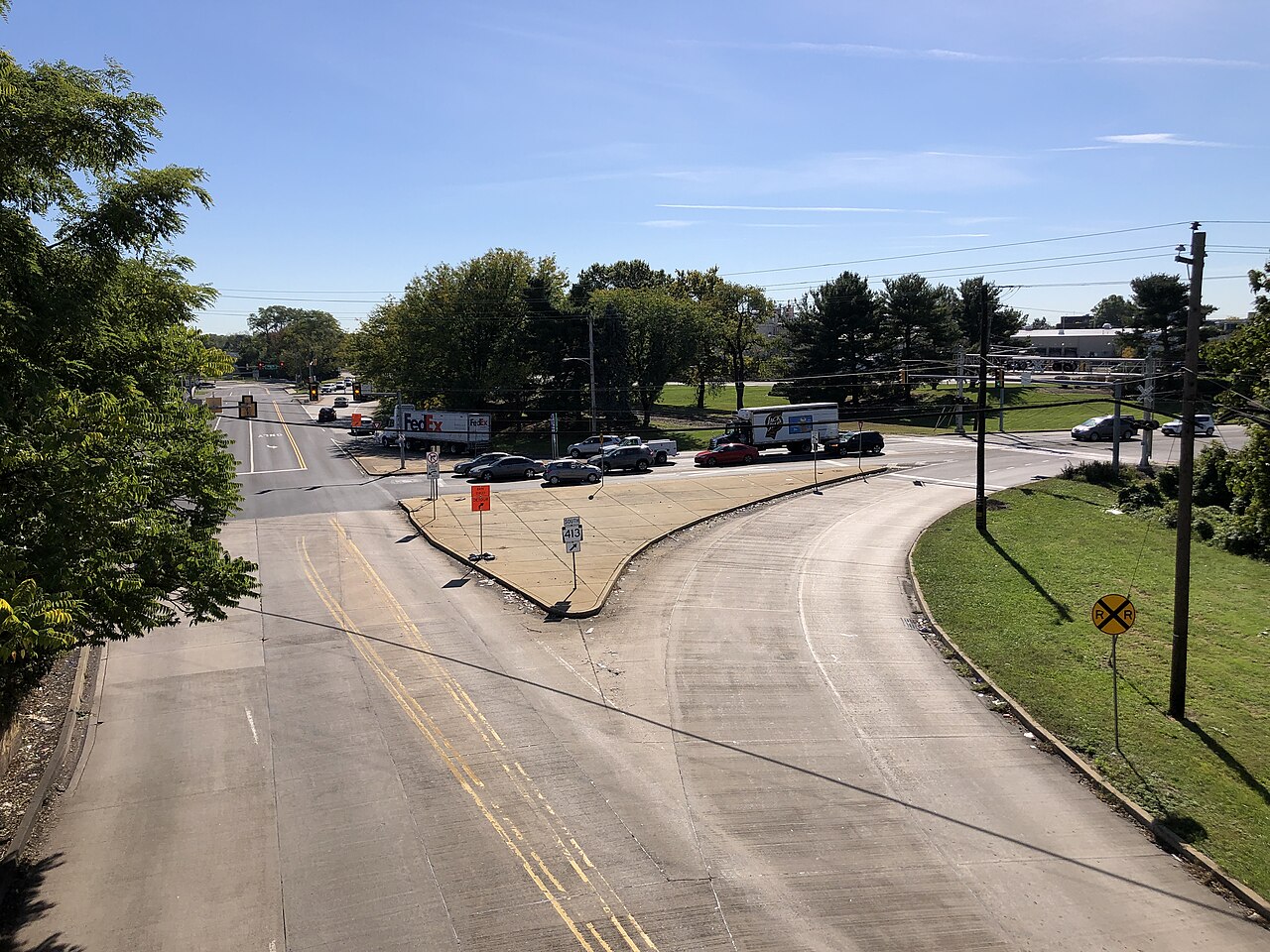
In plain English, that could mean more fixed readers in places that are already natural choke points for traffic. Think state routes cutting through Bensalem, approaches to I-95 in Bristol Township, or other PennDOT-controlled spots where thousands of cars pass every day. The bill would not automatically put a camera on every pole. Local agencies would still need money, hardware and policies. But it would give them more room to do it.
That change also reaches beyond one town. A lot of local police work in Bucks is regional whether residents like that fact or not. Car theft crews move fast. Stolen vehicles do not stay inside borough lines. Once a state law opens more places for fixed readers, departments can build broader networks with neighboring towns and with state agencies.
Background helps here. Pennsylvania has already gotten more comfortable with camera-driven enforcement and detection than it was a generation ago. E-ZPass readers, red-light cameras in some places and toll-by-plate systems already collect vehicle data for specific purposes. SB 933 would push that culture further into day-to-day policing.
Bucks County police already use plate-reader tools
This is also not a clean split between a camera-free Bucks County and a camera-heavy future. Local police already use automated plate-reader tools in parts of the county and the broader region. Public discussion around those systems has surfaced through township meetings, police technology announcements and budget documents over the last few years.
Bensalem Township is one of the clearest Bucks examples of a municipality that has long leaned into tech-centered policing. In the lower county, that approach is not hard to imagine spreading because the road network already lends itself to fixed monitoring points. Bristol Township is another place where the physical layout of major corridors makes reader placement an obvious option if local officials want it.
The public record is murkier on one point that campaign shorthand tends to flatten. “Flock cameras” gets used as a catch-all, but some departments use Flock Safety and others use different automatic license plate reader vendors or mobile systems mounted on patrol cars. Bucks County Blog is still pinning down a current department-by-department list of which Bucks agencies use Flock specifically, which use other vendors and which are tied into regional data-sharing networks.
That detail sounds wonky, but it is the sort of thing that decides how much data is collected, how it is shared and who can search it later. Civil-liberties groups including the ACLU have warned for years that plate-reader systems can slide from targeted policing into routine mass tracking if oversight is weak or if retention policies get too loose.
For readers who follow our Bucks County news coverage, this is the same pattern that shows up with a lot of local tech decisions. The state changes the rules. Then the real action happens later at township buildings, in contract approvals, and in the fine print that almost nobody reads until the cameras are already up.
What This Means for Bucks County Residents
If you live in Lower Bucks, the short version is simple. You could end up driving past more fixed plate-reader cameras without ever seeing a public vote that got much attention.
Supporters will say that is a fair trade if it helps recover stolen cars, locate suspects or solve hit-and-run cases faster. Critics will say the same network can create a travel history for people who have done nothing wrong. Both arguments are real. Neither side is making up the basic facts of how the technology works.
There is also a local-government piece to this. Even with state authority in place, cameras still have to be bought, installed and managed. That usually means contracts, budget lines and policy decisions at the municipal level. Residents in places like Bristol Township or Bensalem will probably see the first practical effects before people in quieter parts of the county do, simply because traffic volume makes those corridors more attractive for fixed readers.
At the county level, Bucks County government already sits in the middle of public-safety coordination, data sharing and criminal justice policy even when a specific camera belongs to a local department. And at the state level, Pennsylvania officials keep widening the range of data tools that police can lawfully use. Voters who are fine with that will probably like Farry’s position. Voters who think the line has moved too far will hear Albillar’s argument loud and clear.
If you want to watch this story in the real world instead of just in campaign mailers, keep an eye on the General Assembly site for SB 933 and on township meeting agendas in the lower county. That is usually where the hardware shows up first.
Sources and Further Reading
- Bucks County Beacon – race roundup that identified SB 933 as an issue in the Farry-Albillar contest
- Pennsylvania General Assembly – official state legislative website for tracking Senate Bill 933
- PennDOT – state transportation agency referenced in the bill language
- Bensalem Township – official township website for one of the municipalities discussed in the story
- Bristol Township – official township website for a major Lower Bucks corridor discussed here
- Bucks County government – official county website for public-safety and government context
- Commonwealth of Pennsylvania – main state government website for broader policy context
- ACLU – civil-liberties organization that has criticized broad plate-reader surveillance