The money announced this week will not put new trains on the tracks tomorrow. What it does do is push one of SEPTA’s oldest problems a little closer to an actual fix, and Bucks County riders have been waiting a long time for that.
What the SEPTA grant will pay for
According to a LevittownNow report, federal transportation officials announced Thursday that SEPTA secured a $13.3 million grant to plan the replacement of aging Regional Rail cars. That matters because planning money is where agencies sort out what they want to buy, how many cars they need, how those cars will fit existing platforms and power systems, and how the larger bill could be pieced together, according to the Federal Transit Administration.
So no, this is not the part where passengers suddenly get spotless new rail cars next month. This is the engineering, procurement and paperwork phase. Dry stuff. Also the stuff that has to happen before anybody orders a new fleet.
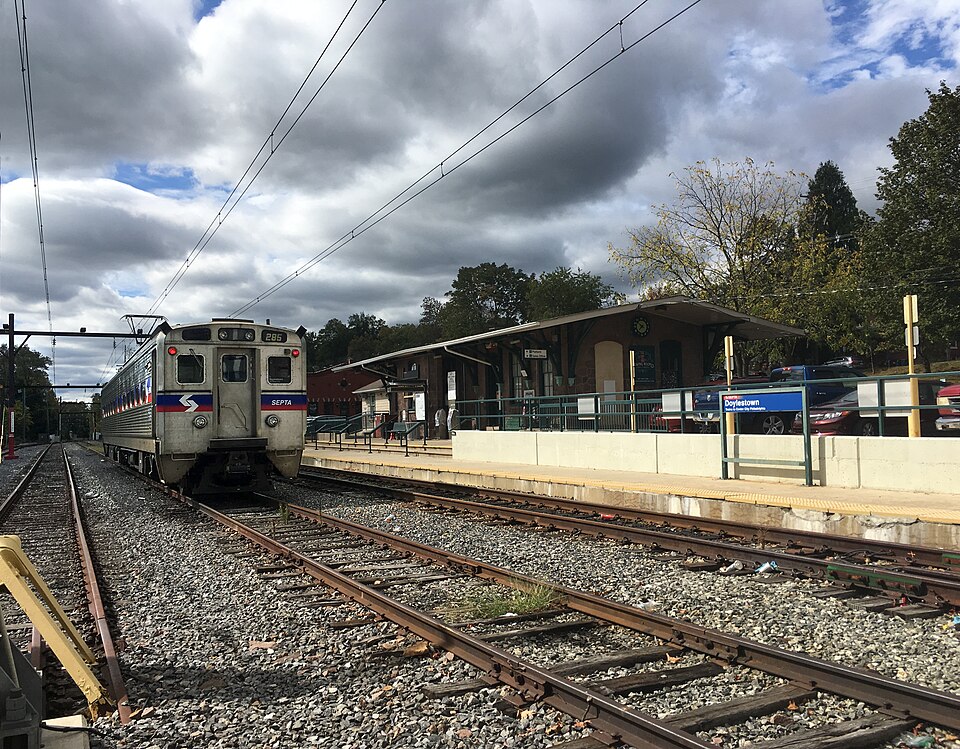
LevittownNow reported the grant is tied to SEPTA’s plan to replace older Regional Rail equipment. SEPTA has said on its own site that part of its commuter rail fleet includes Silverliner IV cars that entered service in the 1970s, which helps explain why breakdowns, maintenance demands and parts issues keep hanging over the system.
Why SEPTA’s aging fleet matters in Bucks County
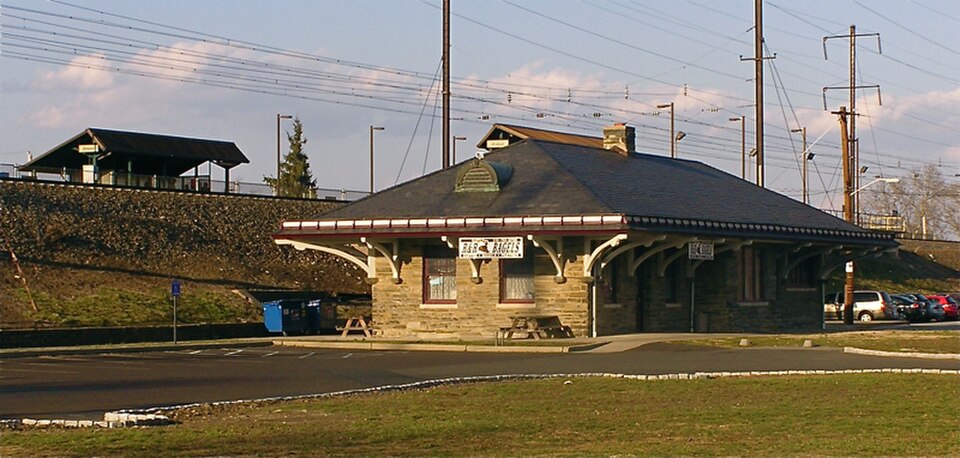
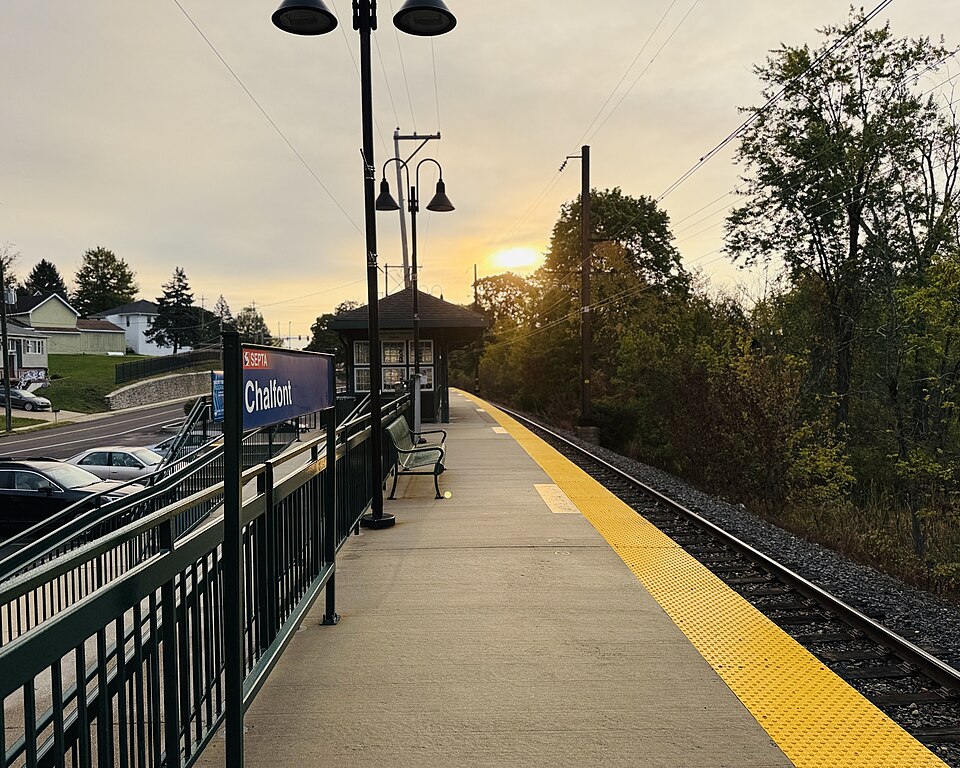
Bucks County is not a one-line rail county. Riders here depend on several different SEPTA corridors, including the Trenton Line, the West Trenton Line, the Warminster Line and the Lansdale/Doylestown Line, according to SEPTA. That means this is not just a Philadelphia problem. It reaches people boarding in Bristol, Levittown-Tullytown, Langhorne, Yardley, Warminster, Chalfont and Doylestown.
Anyone who uses those stations already knows what old rolling stock feels like. Delays pile up fast. One equipment problem outside Center City can mess up a morning for riders half a county away. As background, Bucks County government sits inside the wider Philadelphia job market, and commuter rail still matters for people heading to work, school, court, hospitals and other daily stops. When trains are late or canceled, a lot of those trips wind up back on already crowded roads.
There is also the age question. SEPTA has publicly described its Silverliner IV cars as long-serving vehicles from the mid-1970s. They have lasted a long time. Longer than many transit agencies would like. That may sound thrifty on paper, but riders usually experience it as more wear, more maintenance and less room for error when something goes wrong.
What This Means for Bucks County Residents
First, it means patience. A planning grant is real money, but it is still planning money. Nobody in the Levittown area or over in Doylestown should expect brand-new rail cars to appear by fall because of this announcement alone.
Still, the grant gives SEPTA something better than another vague promise. It gives the agency federal backing to do the front-end work that comes before a fleet purchase. That can help later when SEPTA goes looking for larger capital dollars from Washington, Harrisburg or its own budget process, according to the Federal Transit Administration, Pennsylvania state government and PennDOT.
There is a second piece Bucks residents should care about. Older rail cars do not just mean the occasional mechanical headache. They can also mean less flexibility when service gets disrupted, more time in the shop, and more pressure on SEPTA to stretch equipment past the point where most systems would rather be lining up replacements. SEPTA has been open for years that state-of-good-repair work eats money fast. This grant does not fix that. It does show the rail car issue is still alive at the federal level.
For people who do not ride often, the effect is less obvious but still real. When Regional Rail works, it takes cars off Route 1, I-95, the Pennsylvania Turnpike and local arterials, according to SEPTA and PennDOT. When it does not, more people drive. Bucks commuters do not need a white paper to explain what that does to station parking, local traffic and already crowded highways.
What happens next for SEPTA
The next step is the boring one, which is usually the one that decides whether a project survives. SEPTA now has to turn the grant into actual planning work: defining the replacement program, matching any new fleet to existing infrastructure, and setting up whatever procurement path comes next, according to SEPTA and the Federal Transit Administration.
After that comes the hard part, money. Planning a new fleet is one thing. Buying it is another. Rail cars cost a lot, take years to build and test, and do not show up fast even after a contract is signed. That is standard transit math, not local drama.
Bucks County riders have seen this pattern before with big transportation projects. One announcement gets the ball rolling. Then come board votes, design work, state funding debates, federal approvals and a lot of waiting. If you want to keep an eye on how that plays out, keep watching our Bucks County news coverage along with SEPTA’s own updates.
For now, watch SEPTA’s next public capital planning cycle and board meetings, where this rail car replacement work should start to show up in more detail. Riders can also keep an eye on SEPTA and PennDOT for updates on funding and timelines.
Sources and Further Reading
- LevittownNow – Local report on the $13.3 million SEPTA planning grant.
- SEPTA – Official transit agency site for Regional Rail service and fleet information.
- Federal Transit Administration – Federal transit agency that oversees grant programs and transit capital funding.
- PennDOT – Pennsylvania transportation agency with statewide transit and highway information.
- Pennsylvania state government – Official state government portal for agencies and public funding context.
- Bucks County government – Official county site for local government and county context.